
Enheduanna: ancient Mesopotamian princess, high priestess, poet, and the world’s first-named author
Enheduanna disk
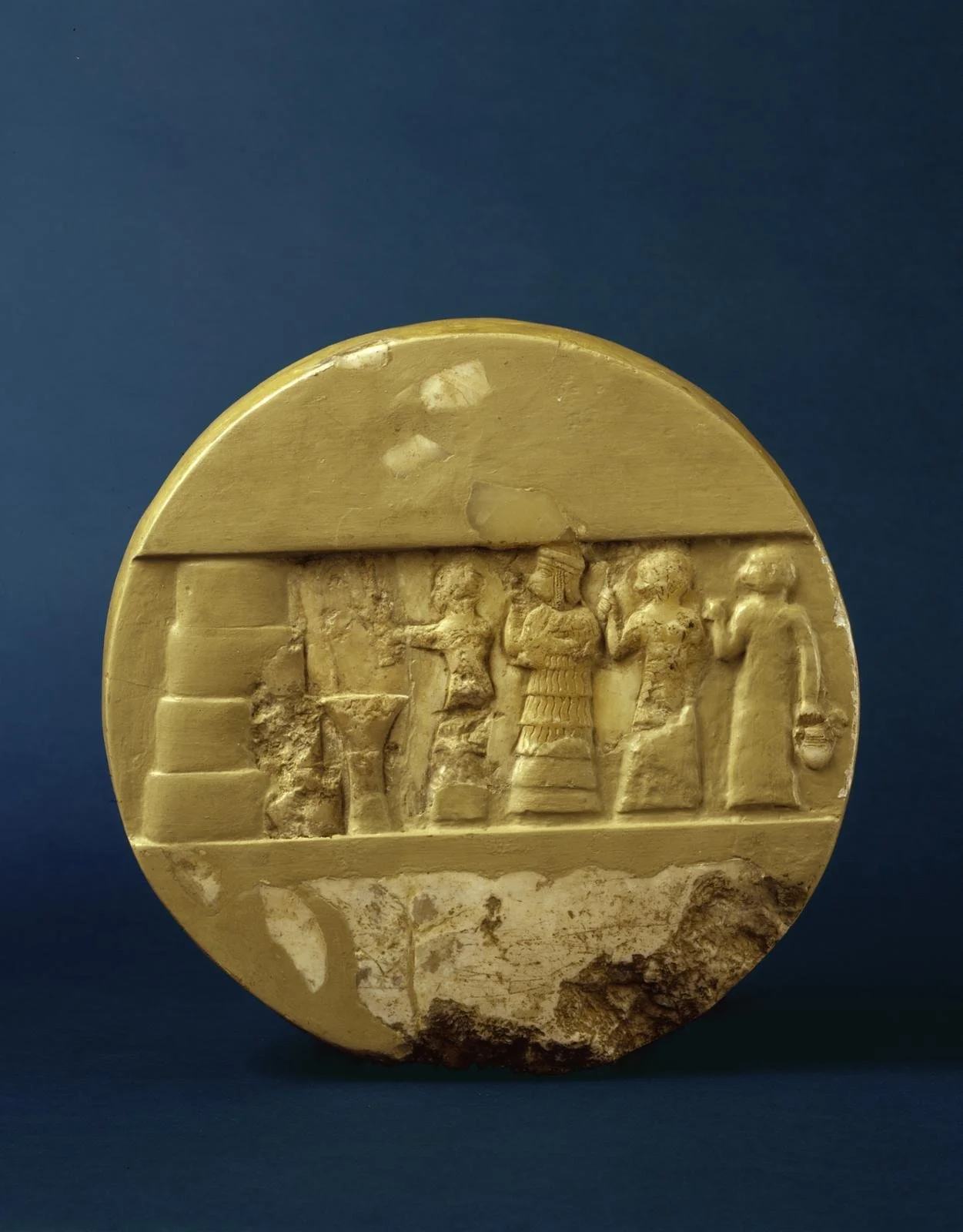
Courtesy of the Penn Museum, object no. B7847
https://www.penn.museum/collections/
Enheduanna stands as one of history’s most remarkable and influential figures despite not being widely well-known in modern times. However, she was a legend for hundreds of years after her death. Living in ancient Mesopotamia over 4,000 years ago, she was a high-priestess, princess and is the world’s first-named author with the words I, Enheduanna appearing in a hymn. Her works were copied for centuries, then largely forgotten until excavated in the 1920s in Iraq along with a fragmented disk that captured her image. Her temple hymns, and works pleading to the gods, principally Inanna, the god of love, war, and fertility, shaped Ancient Mesopotamian literature and liturgy, and echoes in modern supplication hymns.
Historical Context: Mesopotamia and the Akkadian Empire
Enheduanna served as high priestess in the city of Ur (home of Abraham), one of the great urban centers of ancient Sumer (modern-day southern Iraq), during the Akkadian Dynasty. Her father was King Sargon of Akkad (c. 2334–2279 BCE), the world’s first emperor uniting the lands of Sumer and Akkad. Because political resistance, continued, when Enheduanna was sent to become high priestess of Ur, she inherited deep regional resistance. However, this period was also marked by cultural richness and prosperity. And it was a period when there were local city-states in which high priests and priestesses played central roles in religious and business affairs as well as in society.
Approximate Map of Ancient Mesopotamia circa 2300 BCE
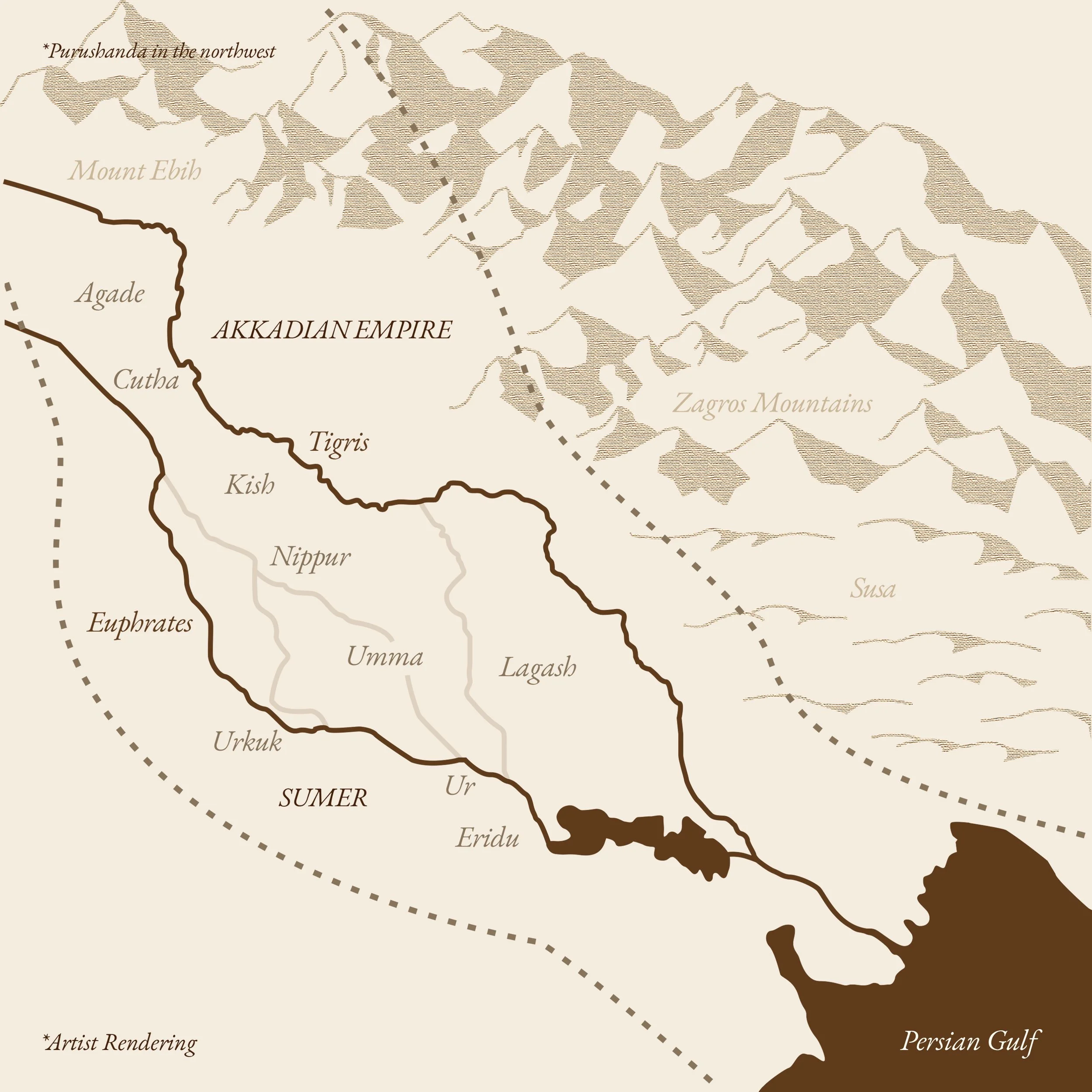
With permission by the artist, Laurel Barr
The Life of Enheduanna
Born around 2285 BCE, Enheduanna became high priestess of the Temple of Ur where the chief deity was Nanna, the moon god. Eventually, she became the high priestess of Uruk as well. This gave her a preeminent religious, business, and political position. Her assignment, deep within conquered Sumerian territory, seemed to be a dangerous but strategic, helping her Akkadian family legitimize their rule over the Sumerian people through religious authority.
Tablet: Hymn to Goddess of Love and War by Enheduanna, priestess
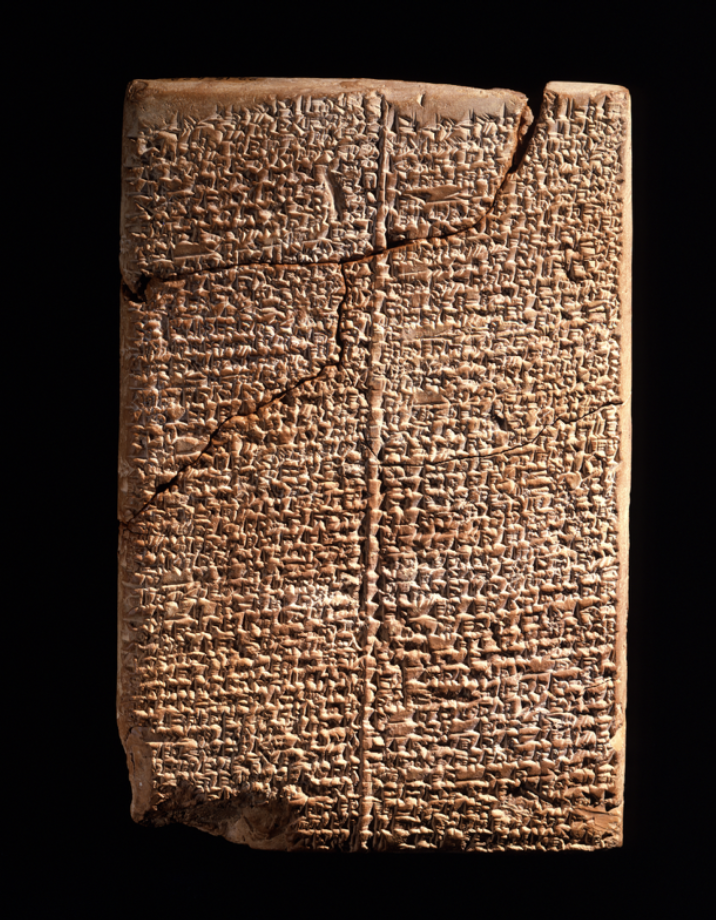
Courtesy of the Penn Museum, object no. B7847
https://www.penn.museum/collections/
Enheduanna as a Poet and Author
What truly sets Enheduanna apart from other high priestesses of her time is a literary legacy: two hymns and a narrative composition to the god Inanna are attributed to her. Much is disputed about her authorship, primarily because the extant tablets date long after her passing. But it remains true that these works were ascribed to her in a deeply patriarchal society. And a seal which appears to depict one of the hymns dates to her lifetime. The most famous work, Exaltation of Inanna (Nin-me-sar-ra), is a passionate and personal plea to Inanna for reinstatement as high priestess and for revenge against Lugalanne for forcing her into exile. In these writings, the text: I, Enheduanna appears. This is a bold assertion of ownership and the first known time in history that authorship is asserted.
The known works are striking for their emotional pitch, and rich detailed images of a place and time that’s disappeared. The author struggles to be heard by the patron god, Inanna. Through pleas, assertions of faith and devotion using poetic devices, the hymns feel intimate and personal. That they were copied for hundreds of years suggests that the style influenced literature of the ancient world. And to the modern world, they offer cultural knowledge with information on the politics, religion, attitudes on gender, and societal structure of the time period.
Legacy and Modern Recognition
Her name seemingly absent for a few thousand years, has resurged in modern times. Enheduanna’s impact is inspiring writers, artists, and scholars. She is becoming a celebrated trailblazer and feminist icon as a symbol of creative expression and female empowerment.
And one can see similarities between these remarkable works and religious supplication hymns. Her legacy endures and modern generations are discovering her story.
Commodo cursus magna, vel scelerisque nisl consectetur et. Donec id elit non mi porta gravida at eget metus.